Blueberry Muffins Recipe
Few baked treats are as comforting and universally loved as blueberry muffins. With their soft, tender crumb, bursts of juicy blueberries, and beautifully golden tops, these classic muffins are the perfect balance of sweet, fruity, and satisfying. Whether enjoyed with morning coffee or as an afternoon snack, homemade blueberry muffins always feel special.
The good news? You don’t need bakery skills to make them. With the right ingredients and a few simple techniques, anyone can create bakery-style muffins with tall domed tops and incredible flavor.
In this guide, you’ll learn how to make perfect blueberry muffins from scratch using an easy muffin recipe that works every time. We’ll also cover expert baking tips, common mistakes to avoid, delicious variations, and the best ways to store your muffins so they stay fresh longer.
Why Homemade Blueberry Muffins Taste Better Than Store-Bought
There’s something magical about fresh baked muffins straight from your own oven. While store-bought muffins may look tempting in bakery windows, homemade versions almost always win when it comes to flavor, texture, and freshness.
First, baking at home means you can use high-quality ingredients. Fresh blueberries, real butter, and pure vanilla extract make a noticeable difference in taste. The result is a softer crumb and a richer flavor that packaged muffins rarely achieve.
Another big advantage is control over sweetness and ingredients. Many commercial muffins are extremely sugary and overly large. When you make your own homemade breakfast muffins, you can adjust the sugar level, choose healthier ingredients, and even experiment with whole-grain flour or natural sweeteners.
Then there’s the experience itself. Few things compare to biting into a warm muffin minutes after it comes out of the oven. The berries are juicy, the tops are lightly crisp, and the inside is incredibly tender.
Finally, homemade muffins are surprisingly cost-effective. A single bakery muffin can cost several dollars, while a batch of bakery style blueberry muffins at home often costs only a fraction of that.
For anyone who enjoys simple easy baking recipes, blueberry muffins are one of the most rewarding treats you can make.
Ingredients for the Best Blueberry Muffin Recipe
Great muffins start with the right balance of ingredients. Each component plays an important role in creating the soft texture and delicious flavor that makes blueberry muffins so irresistible.
Dry Ingredients That Build Structure
Dry ingredients provide the framework that gives muffins their shape and texture.
-
All-purpose flour forms the base of the batter and creates the structure of the muffin.
-
Baking powder acts as the leavening agent, helping the muffins rise and become light and fluffy.
-
Salt enhances flavor and balances the sweetness.
-
Sugar sweetens the batter while also helping create a tender crumb and golden exterior.
Together, these ingredients form the foundation of a well-balanced muffin batter. Properly measured dry ingredients are essential for achieving the classic muffin texture.
Wet Ingredients That Keep Muffins Moist
The wet ingredients add richness, moisture, and flavor.
-
Eggs bind the batter together and add structure.
-
Milk or buttermilk contributes moisture and tenderness.
-
Melted butter or oil provides richness and keeps muffins soft.
-
Vanilla extract enhances the flavor and gives muffins their warm bakery aroma.
Many bakers prefer buttermilk because it creates a slightly tangy flavor and an extra tender crumb. Oil, on the other hand, often produces a softer and moister texture than butter alone.
Fresh vs Frozen Blueberries — Which Works Best?
Both fresh and frozen blueberries work well in muffin recipes, but they behave slightly differently.
Fresh blueberries are ideal when they are in season. They hold their shape beautifully and provide bursts of juicy sweetness throughout the muffin.
Frozen blueberries are convenient and available year-round. To prevent the batter from turning purple, use them straight from the freezer without thawing. Lightly tossing them in flour before adding them to the batter can also help reduce color bleeding.
Understanding these muffin batter ingredients and how they work together is one of the key muffin baking essentials for achieving consistently delicious results when baking with blueberries.
How to Make Blueberry Muffins Step-by-Step
Once your ingredients are ready, the baking process is simple and straightforward. Following the correct method ensures your blueberry muffin batter produces soft, fluffy muffins every time.
Step 1 – Prepare the Oven and Muffin Pan
Start by preheating your oven to 375°F (190°C). A properly heated oven helps muffins rise evenly and develop a golden top.
Line a muffin pan with paper liners or lightly grease each cup to prevent sticking.
Step 2 – Mix Dry Ingredients
In a medium bowl, whisk together:
-
flour
-
sugar
-
baking powder
-
salt
Mixing the dry ingredients first ensures the leavening agent is evenly distributed throughout the batter.
Step 3 – Mix Wet Ingredients
In another bowl, whisk together:
-
eggs
-
milk or buttermilk
-
melted butter or oil
-
vanilla extract
Whisk until smooth and fully combined.
Step 4 – Combine Batter Gently
Pour the wet mixture into the bowl with the dry ingredients and stir gently until just combined.
Important tip:
Do not overmix the batter. Overmixing develops too much gluten in the flour, which leads to dense, tough muffins instead of light and fluffy ones.
A few small lumps in the batter are perfectly normal.
Step 5 – Fold in Blueberries
Gently fold the blueberries into the batter using a spatula.
To keep them from sinking to the bottom, lightly toss the berries with a small amount of flour before adding them. This trick helps distribute them evenly throughout the muffins.
Step 6 – Fill Muffin Cups and Bake
Spoon the batter into the prepared muffin cups, filling each about three-quarters full.
Bake the muffins until the tops are golden and a toothpick inserted in the center comes out clean. The result is a batch of tender, fluffy muffins packed with juicy blueberries.
With these simple baking instructions, making a delicious homemade muffin recipe becomes an easy and enjoyable kitchen project.
The Secret to Bakery-Style Blueberry Muffins with Tall Tops
One of the most recognizable features of professional muffins is their tall, domed tops. Fortunately, achieving that bakery style muffin look at home is easier than many people think.
A key technique used by professional bakers is starting with a higher oven temperature for the first few minutes of baking. The initial burst of heat causes the batter to rise quickly, creating the classic muffin dome.
Another helpful tip is to fill the muffin cups nearly full rather than only halfway. This allows the batter to rise upward instead of spreading outward.
Using buttermilk instead of regular milk can also improve texture. The slight acidity tenderizes the crumb and creates a softer muffin.
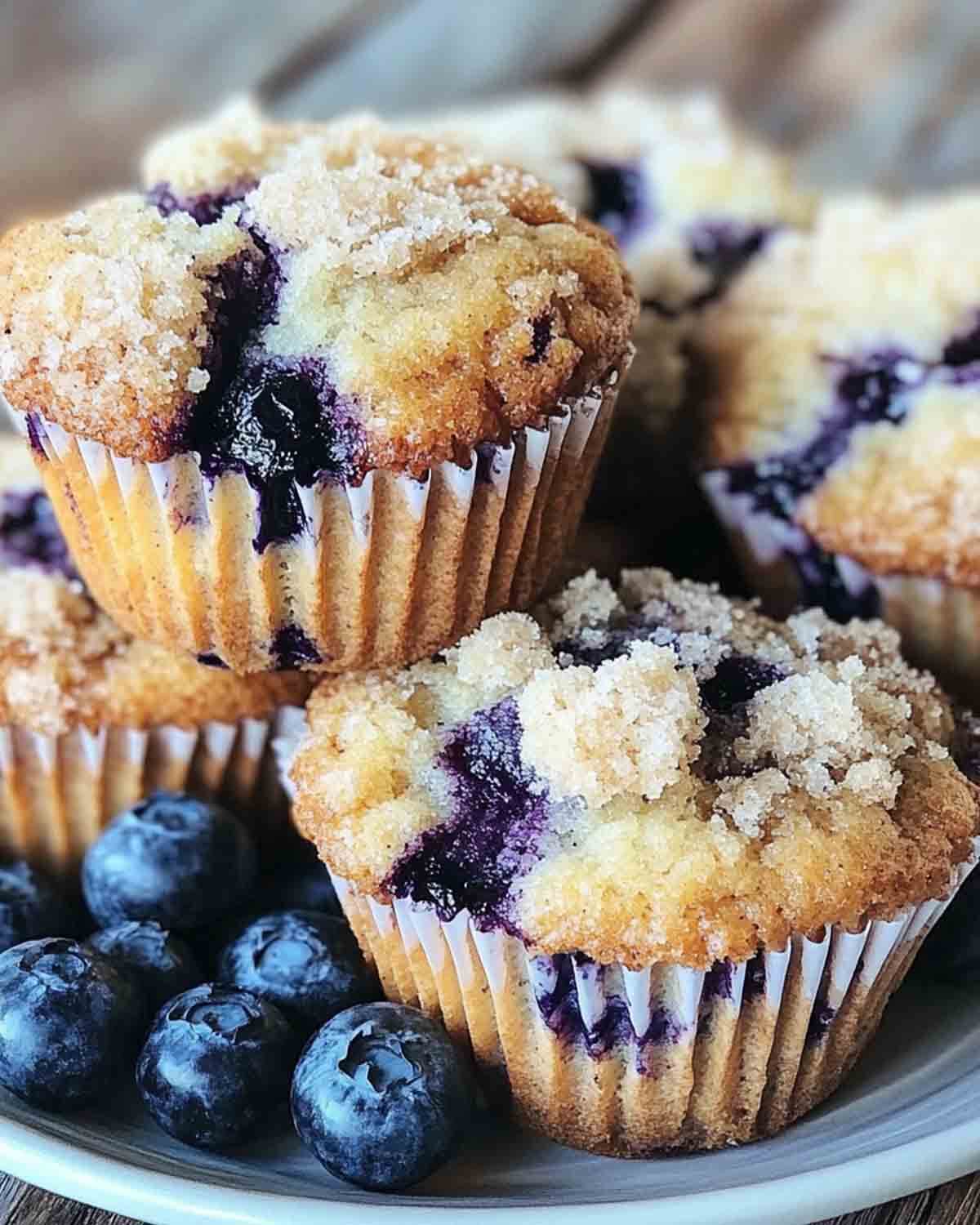
Finally, sprinkling a little coarse sugar on top of the batter before baking adds a delightful crunchy topping and gives the muffins a beautiful bakery-style appearance.
Bold Tip:
High oven temperature at the start creates the classic muffin dome and helps produce tall muffin tops.
These simple professional baking tips can transform ordinary muffins into impressive bakery style blueberry muffins.
Common Blueberry Muffin Mistakes (And How to Avoid Them)
Even experienced bakers occasionally run into muffin problems. Understanding common muffin baking mistakes can help you avoid disappointing results.
Overmixing the Batter
One of the most common reasons muffins turn out dense is overmixing. When batter is stirred too much, gluten develops in the flour, creating a tough texture.
The solution is simple: mix only until the ingredients are just combined.
Using Too Many Blueberries
Blueberries add wonderful flavor, but adding too many can make muffins heavy and soggy. Too much fruit also prevents the batter from baking evenly.
Stick to the recommended amount for balanced texture.
Incorrect Oven Temperature
An oven that is too hot may burn the tops while leaving the inside undercooked. An oven that is too cool may cause muffins to spread instead of rising.
Always preheat your oven fully before baking to avoid this common baking troubleshooting issue.
Skipping Muffin Liners or Greasing
If the pan isn’t properly prepared, muffins can stick and break apart when removed.
Using paper liners or lightly greasing the pan ensures your muffins release easily and maintain their shape.
By understanding why muffins are dense and learning to prevent these problems, you’ll consistently produce soft, flavorful blueberry muffins every time.
Delicious Blueberry Muffin Variations to Try
One of the best things about blueberry muffins is how versatile they are. Once you master the basic recipe, it’s easy to experiment with flavors, textures, and ingredients to create exciting new versions. These popular blueberry muffin variations are loved by home bakers and bakeries alike.
Lemon Blueberry Muffins
Lemon blueberry muffins are a bright and refreshing twist on the classic recipe. The citrus flavor pairs beautifully with sweet blueberries and adds a fresh aroma that makes the muffins feel lighter.
To create this variation, add fresh lemon zest to the batter. This enhances the natural flavor of the berries without overpowering them. Some bakers also like to finish the muffins with a simple lemon glaze made from powdered sugar and lemon juice.
The result is a muffin that is both sweet and slightly tangy—perfect for spring and summer breakfasts.
Streusel Blueberry Muffins
If you love bakery-style muffins, this variation is for you. Streusel blueberry muffins feature a buttery crumb topping that adds irresistible crunch and texture.
The streusel topping is usually made from:
-
flour
-
brown sugar
-
butter
-
sometimes cinnamon
Sprinkled generously over the batter before baking, the topping creates a crisp, crumbly layer that contrasts beautifully with the soft muffin beneath. This technique is commonly used in bakeries to create the classic bakery style texture people love.
Healthy Blueberry Muffins
For a lighter option, healthy muffin recipes often swap traditional ingredients for more nutritious alternatives.
Some popular adjustments include:
-
using whole wheat flour instead of all-purpose flour
-
replacing refined sugar with honey or maple syrup
-
adding Greek yogurt for extra protein and moisture
These small changes create muffins that are still delicious but offer more fiber and nutrients.
Vegan Blueberry Muffins
Plant-based bakers can easily enjoy blueberry muffins by making a few simple substitutions.
Typical vegan swaps include:
-
plant-based milk such as almond or oat milk
-
flax eggs (ground flaxseed mixed with water) instead of regular eggs
-
coconut oil or vegan butter
Despite these changes, vegan muffins can still be wonderfully moist and flavorful.
Gluten-Free Blueberry Muffins
For people avoiding gluten, a gluten-free flour blend can replace traditional flour. Many modern blends are designed specifically for baking and provide excellent texture.
To ensure the best results, look for blends that contain ingredients like rice flour, potato starch, and xanthan gum. These help mimic the structure of wheat flour and produce muffins that are soft rather than crumbly.
With these variations, you can easily customize your muffins to suit your taste or dietary preferences.
Tips for Extra Moist and Fluffy Muffins Every Time
Even a simple muffin recipe can be elevated with the right techniques. A few professional baking tips for muffins can make the difference between ordinary muffins and irresistibly soft ones.
One of the most helpful tips is to use room temperature ingredients. Eggs and milk blend more easily when they are not cold, creating a smoother batter and more consistent texture.
Another key factor is baking time. Overbaking dries muffins quickly, so it’s important to remove them from the oven as soon as a toothpick inserted in the center comes out clean.
Fat also plays a big role in moisture. Many bakers prefer using oil instead of butter, or a combination of both. Oil helps muffins stay tender for longer because it remains liquid at room temperature.
Allowing muffins to cool for a few minutes before removing them from the pan also helps maintain their structure and prevents them from breaking apart.
Bold Tip:
A combination of butter and oil often creates the best muffin texture—rich flavor from butter and lasting moisture from oil.
By following these simple moist muffin tips, you’ll achieve the perfect fluffy muffin texture every time.
How to Store Blueberry Muffins Properly
Proper storage keeps muffins fresh and delicious long after baking. Fortunately, storing baked muffins is simple when you use the right method.
Room Temperature Storage
For short-term storage, keep muffins in an airtight container at room temperature. They typically stay fresh for two to three days.
To prevent excess moisture, place a paper towel inside the container to absorb condensation.
Refrigerating Muffins
Refrigeration can extend the shelf life slightly, but it may also dry the muffins out faster. If you choose this option, store them in a sealed container and warm them slightly before serving to restore their softness.
Freezing Blueberry Muffins
Freezing is the best option for long-term storage. Muffins freeze extremely well and can last up to three months.
To freeze:
-
Let muffins cool completely.
-
Wrap them individually or store them in a freezer bag.
-
Remove excess air before sealing.
When ready to eat, simply reheat muffins in the oven or microwave until warm. Properly freezing muffins preserves both flavor and texture.
Serving Ideas for Blueberry Muffins
While blueberry muffins are delicious on their own, they can also be part of a larger breakfast or brunch spread.
A warm muffin pairs perfectly with coffee or tea, making it an ideal start to the morning. Many people also enjoy muffins alongside yogurt and fresh fruit for a balanced breakfast.
For extra indulgence, try serving muffins with a small spread of butter or honey. The warmth of the muffin melts the topping and enhances the flavor.
Blueberry muffins are also perfect additions to brunch gatherings, picnic baskets, or casual weekend breakfasts. Their portability and flavor make them one of the most beloved homemade bakery treats.
Blueberry Muffin Nutrition Overview
In addition to being delicious, blueberry muffins can also provide some nutritional benefits.
The flour in the batter supplies carbohydrates, which provide energy to start the day. Blueberries themselves are well known for being rich in antioxidants, which support overall health.
Blueberries are also a good source of vitamin C, fiber, and plant compounds that help protect the body from oxidative stress. You can learn more about the health benefits of blueberries Here.
Of course, muffins also contain sugar and fat, so moderation is important. Bakers looking for healthier options can experiment with substitutions like whole wheat flour, natural sweeteners, or reduced sugar.
With thoughtful ingredients, blueberry muffins can be part of a balanced approach to healthy breakfast baking.

Blueberry Muffins Recipe
Ingredients
Equipment
Method
- Preheat your oven to 375°F (190°C).
- Line a 12-cup muffin pan with paper liners.
- In a large bowl, whisk together:
- flour
- sugar
- baking powder
- salt
- Set aside.
- In another bowl, whisk together:
- eggs
- milk
- melted butter
- vanilla extract
- Mix until smooth.
- Pour the wet ingredients into the dry ingredients.
- Stir gently until just combined.
- Do not overmix the batter.
- Toss the blueberries with 1 tablespoon flour to prevent sinking.
- Fold them gently into the batter.
- Divide the batter evenly into the muffin cups, filling each about ¾ full.
- Sprinkle optional coarse sugar on top for a bakery-style finish.
- Bake for 18–22 minutes, or until the tops are golden and a toothpick inserted in the center comes out clean.
- Let muffins cool in the pan for 5 minutes, then transfer to a cooling rack.
- Serve warm or at room temperature.
Nutrition
Notes
- Tossing blueberries in flour prevents them from sinking.
- Do not overmix the batter to keep muffins light and fluffy.
- For bakery-style muffins, start baking at 425°F for 5 minutes, then reduce to 375°F.
- Frozen blueberries can be used directly without thawing.
Tried this recipe?
Let us know how it was!FAQs
What makes blueberry muffins moist?
Moist muffins depend on the right balance of fat, liquid, and mixing technique. Ingredients like butter, oil, milk, or buttermilk add moisture to the batter. Equally important is not overmixing the batter, which keeps the crumb soft and tender.
Can I use frozen blueberries in muffins?
Yes, frozen blueberries work very well in muffin recipes. The key is to add them directly from the freezer without thawing. This prevents the juice from turning the batter purple and helps maintain the muffins’ structure.
Why do blueberries sink in muffins?
Blueberries sometimes sink to the bottom because they are heavier than the batter. Tossing the berries in a small amount of flour before folding them into the batter helps suspend them evenly throughout the muffins.
How long do blueberry muffins last?
Fresh blueberry muffins typically last two to three days at room temperature when stored in an airtight container. Refrigeration can extend their life slightly, but freezing is the best option for long-term storage.
Can blueberry muffins be frozen?
Yes, blueberry muffins freeze beautifully. Once cooled, store them in freezer-safe bags or containers for up to three months. Reheat them in the oven or microwave to restore their softness.
Why are my muffins dense instead of fluffy?
Dense muffins usually result from overmixing the batter or adding too much flour. Stir the batter gently until just combined, and measure flour carefully to ensure light, fluffy muffins every time.