Fluffy Pancakes Delight: A Heavenly Breakfast Treat!
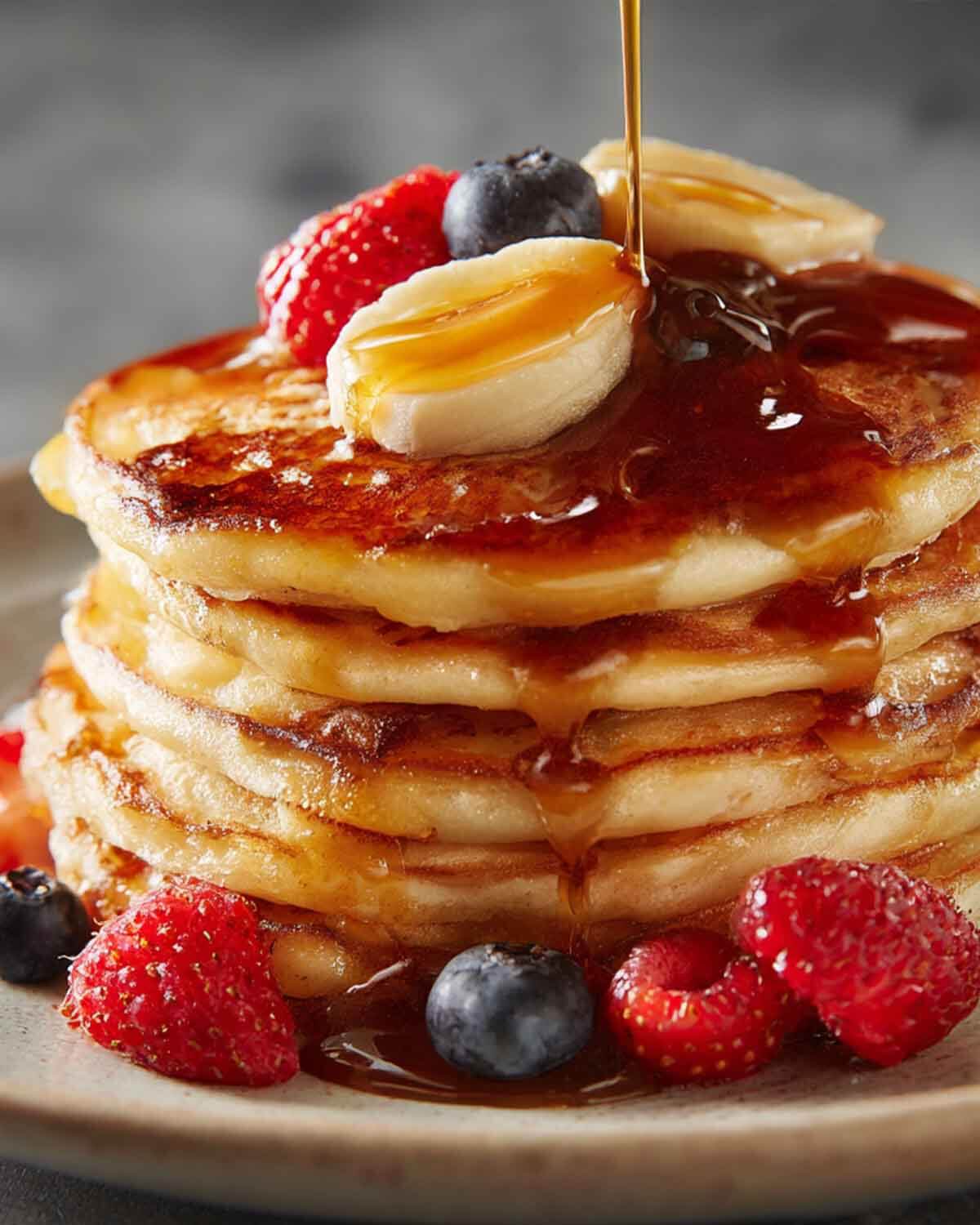
There’s something comforting about a warm stack of fluffy homemade pancakes on a lazy morning. Light, golden, and soft in the center, pancakes are one of the most loved breakfast foods around the world. When done right, they are thick, airy, and tender—perfect for soaking up maple syrup or topping with fresh fruit.
But achieving those perfect soft pancakes isn’t always as easy as it seems. Many home cooks end up with pancakes that are flat, dense, or rubbery instead of light and fluffy. The good news? Once you understand a few simple techniques, making a light pancakes recipe that produces tall, thick pancakes every time becomes surprisingly easy.
In this guide, you’ll learn exactly how to create pancakes with the perfect fluffy texture. We’ll break down the science behind fluffy pancakes, explain the ingredients that make the biggest difference, and share practical tips used by experienced cooks.
By the end of this article, you’ll know:
-
How to make perfectly fluffy homemade pancakes
-
The science behind soft, airy texture
-
Professional tips for better pancake results
-
Simple ways to troubleshoot common pancake problems
Get ready to make the best pancakes you’ve ever cooked.
What Makes Pancakes Fluffy? (The Science Explained)
Perfect fluffy pancakes aren’t just about following a recipe—they’re about understanding the simple science behind the batter. The secret lies in creating and preserving tiny pockets of air that expand during cooking. These air pockets give pancakes their soft, light texture.
The Role of Leavening Agents in Fluffy Pancakes
Leavening agents are the main reason pancakes rise. Most fluffy pancake recipes use baking powder, baking soda, or both.
-
Baking powder releases carbon dioxide when mixed with liquid and heat.
-
Baking soda reacts with acidic ingredients like buttermilk.
These reactions create air bubbles in pancakes, which expand as the batter cooks on the hot pan. Those bubbles are what transform a simple batter into tall, soft pancakes.
Why Mixing Technique Matters
Mixing technique plays a huge role in the final texture. When flour is mixed with liquid, gluten starts to form. Too much mixing strengthens the gluten and creates dense, chewy pancakes.
To keep pancakes light, gently combine the ingredients until just mixed. A few lumps are completely fine. This simple step helps preserve the delicate pancake batter texture needed for fluffy results.
The Importance of Resting the Batter
Letting the batter rest for about 5–10 minutes can significantly improve texture. During this time, the flour absorbs liquid and the leavening agents begin working. This short rest period is a small step that makes a big difference in fluffy pancake science.
The Ideal Pancake Batter Consistency
A good pancake batter should be slightly thick but still pourable. If the batter is too thin, the pancakes spread and cook flat. If it’s too thick, they may not cook evenly.
Remember: a slightly lumpy batter is perfectly normal and often leads to the fluffiest pancakes.
Ingredients for the Best Fluffy Pancakes
The best fluffy pancakes start with simple pantry ingredients. Each one plays a specific role in creating pancakes that are light, tender, and full of flavor. Understanding these pancake ingredients helps you achieve consistent results every time.
Essential Pancake Ingredients
Most classic pancake recipes rely on a few key ingredients:
-
Flour – Provides the structure of the pancakes and helps them hold their shape. All-purpose flour works best for a balanced texture.
-
Baking powder – The main leavening agent that creates lift and helps pancakes rise.
-
Sugar – Adds a hint of sweetness and helps pancakes develop a golden color while cooking.
-
Eggs – Contribute structure and richness while helping bind the batter together.
-
Milk or buttermilk – Adds moisture and helps create a smooth homemade pancake batter.
-
Butter or oil – Provides tenderness and improves flavor.
-
Salt – Enhances all the other flavors and balances the sweetness.
These basic ingredients combine to create pancakes that are soft, tender, and satisfying.
Why Buttermilk Makes Pancakes Extra Fluffy
Many cooks prefer buttermilk pancakes because buttermilk contains natural acidity. When combined with baking soda, it produces extra carbon dioxide bubbles, which makes pancakes rise higher and become even fluffier.
Buttermilk also adds a subtle tangy flavor and helps create a softer crumb.
Optional Ingredients for Better Flavor
You can easily enhance pancake flavor with small additions such as:
-
Vanilla extract for warmth and sweetness
-
Cinnamon for a cozy breakfast spice
-
Lemon zest for a bright, fresh note
These simple additions elevate homemade pancakes from good to truly delicious.
Kitchen Equipment You’ll Need
Making fluffy pancakes doesn’t require complicated equipment. With a few basic pancake cooking tools, you can easily prepare a perfect breakfast at home.
You’ll need a couple of mixing bowls for combining wet and dry ingredients, along with a whisk to blend the batter smoothly. Accurate measuring cups and spoons are important for maintaining the right ingredient balance.
For cooking, a nonstick skillet or flat griddle works best. These pans allow pancakes to cook evenly and flip easily. A spatula helps you turn pancakes gently without breaking them, while a ladle or batter scoop ensures evenly sized pancakes.
Tip: A heavy skillet is often the best pan for pancakes because it distributes heat evenly, preventing burning or uneven cooking.
Step-by-Step Guide: How to Make Fluffy Pancakes
Making fluffy pancakes at home is simple once you follow a few key steps. The goal is to mix the batter gently, allow it to rest, and cook the pancakes at the right temperature.
Step 1 – Mix Dry Ingredients
Start by combining the dry ingredients in a large mixing bowl. Whisk together the flour, baking powder, sugar, and salt. This ensures the leavening agent is evenly distributed throughout the batter, which helps pancakes rise evenly.
Step 2 – Combine Wet Ingredients
In a separate bowl, whisk together the milk, eggs, melted butter, and vanilla extract. Mixing the wet ingredients separately helps them incorporate more smoothly into the batter.
Step 3 – Gently Combine Wet and Dry Ingredients
Pour the wet mixture into the dry ingredients. Stir gently with a whisk or spatula until the batter is just combined.
Avoid overmixing. A few small lumps are perfectly fine and actually help create softer pancakes. Overmixing can damage the structure and lead to dense results.
Step 4 – Let the Batter Rest
Allow the batter to rest for about 5–10 minutes. This resting time allows the flour to hydrate fully and helps activate the leavening agents. Many cooks consider this one of the most important pancake batter tips for fluffy texture.
Step 5 – Heat the Pan Correctly
Place a nonstick skillet or griddle over medium heat. Lightly grease the surface with butter or oil. The pan should be hot but not smoking.
Step 6 – Cook the Pancakes
Pour a scoop of batter onto the hot pan. Cook until bubbles form on the surface and the edges begin to set. Flip once and cook the other side until golden brown.
Step 7 – Serve Immediately
Serve the pancakes warm with butter and syrup. If cooking multiple batches, keep finished pancakes warm in a low oven.
Following these steps will help you master how to cook pancakes that are soft, golden, and perfectly fluffy.
Pro Tips for Making Extra Fluffy Pancakes
If you want truly bakery-style pancakes, a few professional techniques can make a noticeable difference. These simple pancake cooking tips are often used by experienced cooks to achieve the softest texture.
First, avoid overmixing the batter. Stir only until the ingredients are combined. Overmixing develops gluten in the flour, which can make pancakes tough instead of tender.
Second, always use fresh baking powder. This ingredient is responsible for creating the air bubbles that help pancakes rise. If your baking powder is old, the pancakes may turn out flat.
Another popular soft pancakes trick is separating the eggs. Whip the egg whites until light and foamy, then gently fold them into the batter. This adds extra air and produces noticeably fluffier pancakes.
Temperature control is also important. Cook pancakes on medium heat so they cook evenly without burning.
Finally, never press pancakes with a spatula while cooking. Pressing them forces out the air bubbles that give pancakes their light, fluffy texture.
Common Pancake Mistakes That Ruin Fluffiness
Even simple recipes like pancakes can go wrong if a few key steps are overlooked. Many home cooks wonder why pancakes are flat or why they turn out heavy instead of light and airy. Avoiding these common mistakes can help prevent the typical dense pancakes problem and ensure better results every time.
Overmixing the Batter
One of the most common pancake mistakes is overmixing. When batter is stirred too much, gluten develops in the flour. This makes pancakes chewy and dense rather than soft and fluffy. For the best results, mix the batter just until the ingredients are combined. A few small lumps are perfectly fine.
Cooking at the Wrong Temperature
Heat control is extremely important. If the pan is too hot, the pancakes will burn on the outside while remaining raw inside. If it’s too cool, they may spread out and cook unevenly. Medium heat usually provides the best balance.
Using Old Baking Powder
Leavening agents lose their strength over time. If baking powder is expired, it won’t create the bubbles needed for fluffy pancakes. Always check freshness before baking.
Flipping Too Early
Wait until bubbles form on the surface and the edges look set before flipping. Turning pancakes too soon can collapse the structure.
Pressing Pancakes with a Spatula
Many people press pancakes while cooking, but this pushes out the air pockets that create fluffiness. Let them cook naturally for the best texture.
Delicious Variations of Fluffy Pancakes
Once you master the basic recipe, it’s fun to experiment with different pancake variations. Simple additions can transform classic pancakes into exciting flavored pancakes that make breakfast feel special.
Buttermilk Fluffy Pancakes
Buttermilk pancakes are a classic favorite. The acidity in buttermilk reacts with baking soda, helping the pancakes rise higher. The result is an extra tender texture and a slightly tangy flavor that pairs perfectly with syrup.
Banana Pancakes
Mashed ripe bananas add natural sweetness and moisture to the batter. Banana pancakes are soft, fragrant, and perfect for a cozy weekend breakfast. They also work well with toppings like honey or chopped nuts.
Blueberry Pancakes
Blueberries bring a burst of juicy flavor to each bite. You can use fresh berries when they’re in season or frozen ones for convenience. Simply sprinkle them into the batter as the pancakes cook.
Chocolate Chip Pancakes
Chocolate chips melt slightly during cooking, creating sweet pockets throughout the pancakes. This variation is especially popular with kids and makes a fun treat for special mornings.
Protein Pancakes
For a more filling breakfast, try adding Greek yogurt or a scoop of protein powder to the batter. These homemade breakfast pancakes are great for starting the day with extra energy.
Best Pancake Toppings to Try
A great stack of pancakes becomes even better with the right toppings. From classic options to creative additions, there are endless pancake toppings ideas to explore.
Traditional toppings remain favorites for a reason. Warm maple syrup, a pat of melting butter, and a light dusting of powdered sugar create a simple and comforting combination.
If you want to try something different, fresh toppings can add flavor and texture. Fresh berries, whipped cream, and honey bring natural sweetness and brightness to fluffy pancakes.
For a richer twist, drizzle pancakes with caramel sauce or add a spoonful of nut butter like almond or peanut butter. Greek yogurt is another delicious option that adds creaminess and a little extra protein.
Tip: Slightly warming your syrup before serving helps it soak into the pancakes better and enhances the flavor of the entire dish.
How to Store and Reheat Pancakes
Leftover pancakes can be just as delicious later if stored properly. Knowing how to freeze pancakes and reheat them correctly makes it easy to enjoy pancakes anytime.
Refrigerating Pancakes
If you plan to eat them within a few days, store pancakes in an airtight container in the refrigerator. They will stay fresh for up to three days. Placing parchment paper between layers prevents them from sticking together.
Freezing Pancakes
Pancakes freeze very well. Let them cool completely, then stack them with parchment paper between each pancake. Place the stack in a freezer-safe bag or container. Frozen pancakes can last for up to two months.
Best Way to Reheat Pancakes
There are several easy ways to reheat pancakes:
-
Toaster: Great for quick reheating and slightly crisp edges
-
Oven: Ideal for warming larger batches evenly
-
Microwave: Fastest option for soft pancakes
With the right storage method, you can enjoy fluffy pancakes anytime.
FAQs
Why are my pancakes not fluffy?
Several factors can prevent pancakes from rising properly. Overmixing the batter is one of the most common reasons, as it develops too much gluten and creates a heavy texture. Using old baking powder can also reduce the bubbles needed for lift. Another issue is batter that is too thin, which spreads too much on the pan and results in flat pancakes.
What ingredient makes pancakes fluffy?
The main ingredient responsible for fluffy pancakes is baking powder. It produces carbon dioxide bubbles that expand during cooking. Eggs also help add structure and air, while buttermilk can enhance the reaction when used with baking soda.
Is milk or buttermilk better for pancakes?
Both work well, but buttermilk often produces better results. The acidity in buttermilk reacts with baking soda, creating extra lift and a tender texture. It also adds a slight tangy flavor that many people love.
Should pancake batter be thick or thin?
The ideal pancake batter is slightly thick but still pourable. This consistency helps pancakes keep their shape while still spreading slightly in the pan.
How long should pancake batter rest?
Allow the batter to rest for about 5–10 minutes. This gives the flour time to hydrate and allows the leavening agents to activate.
Why do restaurant pancakes taste better?
Restaurants often achieve better pancakes because they control the cooking temperature carefully, use plenty of butter, and allow the batter to rest before cooking.

Fluffy Pancakes Recipe
Ingredients
Equipment
Method
- In a large bowl, whisk together the flour, baking powder, sugar, and salt until evenly combined.
- In another bowl, whisk the milk, egg, melted butter, and vanilla extract until smooth.
- Pour the wet ingredients into the dry ingredients and stir gently until just combined. The batter should be slightly lumpy—avoid overmixing.
- Let the pancake batter rest for about 5–10 minutes. This step helps the flour hydrate and improves the fluffy texture.
- Place a nonstick skillet or griddle over medium heat and lightly grease with butter or oil.
- Pour about ¼ cup of batter onto the hot pan for each pancake. Cook until bubbles appear on the surface and the edges look set.
- Flip the pancakes carefully and cook for another 1–2 minutes until golden brown.
- Serve warm with butter, maple syrup, or your favorite toppings.
Nutrition
Notes
- Do not overmix the batter, or the pancakes may turn out dense.
- Letting the batter rest helps produce softer pancakes.
- Cook pancakes on medium heat to avoid burning the outside before the inside cooks.
- For extra fluffy pancakes, you can separate the egg and whip the egg white before folding it into the batter.
Tried this recipe?
Let us know how it was!Making the perfect pancakes is easier than it might seem. Once you understand a few simple principles, you can consistently create pancakes that are soft, thick, and delicious.
Remember the key tips: always use fresh leavening agents, avoid overmixing the batter, and allow the batter to rest before cooking. Cooking pancakes on medium heat also helps them cook evenly and develop a beautiful golden color.
Don’t be afraid to experiment with toppings and flavors. From blueberries and bananas to chocolate chips and yogurt, there are endless ways to customize pancakes to your taste.
Most importantly, pancakes are meant to be enjoyed. Serve them warm, share them with family, and make them part of a relaxing breakfast tradition.